


The no contact rule means taking a break from contact with your ex for a period after a breakup. This includes texts, calls, social media interactions, profile checking, and asking friends for updates. The goal is to give yourself room to recover.
The 30-day limit comes from coaching advice, not scientific evidence. No study has established a set number of days for no contact. Marshall’s 2012 study linked monitoring an ex on Facebook with greater distress and longing, while Sbarra’s 2006 research found that acceptance helped people recover from sadness. That is why our guide on how to get over a breakup puts your recovery first.
- A day counter that starts from your last contact
- Milestones from day 1 to day 90
- An SOS button in the Heartstreak app for the moment you want to text
The Short Answer
No contact means stopping texts, calls, social media activity, profile checks, and requests for updates through friends. By doing this, you give yourself fewer reminders of the breakup.
Research by Marshall (2012) and Sbarra and Emery (2005) supports the idea that less contact and less online monitoring can help with recovery. However, no study has shown that staying silent will make an ex come back.
What Is the No Contact Rule?
After a breakup, no contact creates a boundary around your attention. It reduces the fresh reminders that can stir up hope, hurt, anger, and confusion.
- Texting your ex
- Calling or taking their calls
- Sending direct messages, voice notes, memes, or photos
- Liking, watching, or reacting to their stories
- Checking their profile, tagged photos, playlists, or location
- Asking mutual friends what your ex is doing
- Sending or receiving messages through other people
- “Accidentally” going somewhere because you expect to see them
No contact is not a form of punishment. It is not a silent-treatment tactic designed to make your ex panic, chase you, or apologize, either.
No Contact Meaning in Plain Terms
In simple terms, going no contact means stepping out of the breakup cycle. You stop following the paths that keep bringing you back to your ex’s face, name, or possible thoughts and feelings.
The phrase has spread through coaching websites, TikTok, Reddit, and breakup forums. Much of the online advice presents no contact as a way to win an ex back. A healthier approach is to use it as a tool for your own recovery.
Why No Contact Works
Researchers have not tested a complete no contact rule based on a 30-day plan. Still, breakup studies offer some insight into why limiting your exposure to an ex may help.
Checking Their Profile Keeps the Wound Open
In 2012, Marshall studied 464 people and found that monitoring an ex on Facebook was associated with greater distress, more negative feelings, stronger longing, and less personal growth—even after accounting for offline contact. Staying Facebook friends was associated with fewer negative feelings and less longing, but also with lower personal growth.
These findings do not prove that checking an ex’s profile causes distress. They do suggest that profile checking is not emotionally neutral, especially when the breakup still feels raw.
Read the Marshall 2012 paper record.
Acceptance Helps Predict Recovery
In 2006, Sbarra followed 58 young adults for four weeks after a serious breakup. Participants reported their emotions daily. The study found that accepting the breakup helped explain the connection between attachment security and recovery from sadness.
During the study period, stronger feelings of love, anger, and preoccupation were associated with a lower likelihood of recovering from sadness. No contact may support acceptance by giving you fewer new interactions and reminders to analyze.
Contact Can Slows the Fading of Love and Sadness
In 2005, Sbarra and Emery asked 58 young adults to record their feelings at random moments for 28 days after a breakup. Their feelings of love declined over time, but contact with an ex slowed the decline of both love and sadness.
A 2020 study of 122 recently separated adults found a similar pattern for in-person contact among participants without children. In this group, more contact predicted higher distress two months later.
However, not every study found the same pattern. In 2012, Mason and colleagues found that contact was associated with better adjustment among separated adults who had already accepted the breakup.
Rejection Lights Up Reward and Craving Regions
In 2010, Fisher, Brown, Aron, Strong, and Mashek scanned 15 young adults who had experienced romantic rejection. When participants looked at a photo of the person who rejected them, brain regions involved in reward and craving also became active. These included the ventral tegmental area and the nucleus accumbens region.
This finding does not mean heartbreak is an addiction. It may help explain why a single text, photo, or social media check can feel so powerful, even when you expect it to hurt.
How to Do No Contact After a Breakup
Make a plan for the moments when you feel tired, lonely, or tempted to reach out. Keep it simple enough to follow, even on a difficult night.
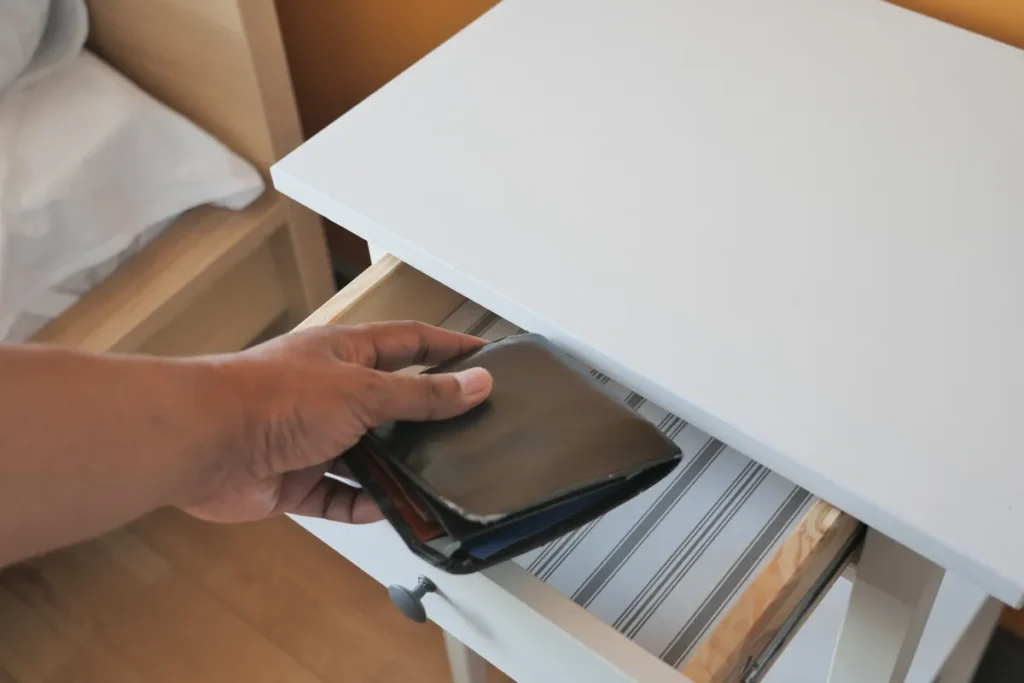
- Tell them once, if needed. A brief message may be enough: “I need space to recover, so I’m not going to text, call, or check in for a while. Please respect that.”
- Mute or block them. Mute their account if seeing their name brings back painful feelings. Block them if they continue contacting you after you have asked for space.
- Remove reminders. Archive your chats and photos so you do not keep coming across them throughout the day. You do not have to delete everything while your emotions are still intense.
- Tell two friends. Ask them not to share updates about your ex. You can give them a simple instruction: “If I ask what they’re doing, please help me change the subject.”
- Prepare for the urge to text. Write the message in your notes app instead of sending it. Then wait a day before deciding whether you still need to say anything.
- Set a date to check in with yourself. Choose a day to review how you feel, how often you think about your ex, and whether getting in touch would help or reopen the wound.
If you slip, do not let one message turn into a week of checking. Read our guide to breaking no contact for help resetting your boundary without judging yourself.
No Contact When You Can’t Avoid Them
Some breakups make complete separation difficult or impossible. If that is your situation, aim for low contact and avoid unnecessary emotional conversations.

Keep communication focused on practical matters. A co-parenting app or email can help you stay composed and keep a written record of your conversations.
Keep messages brief and focused on your children. Discuss pickup times, school needs, medical information, and schedule changes. You can leave relationship conversations for another time, if you need to have them at all.
If You Work Together
Stay polite, brief, and focused on work. Avoid using time at the office to talk through the breakup.
Try to avoid one-on-one lunches, private rides, late-night messages, and attempts to find “closure” at work. If you need to discuss something, keep the conversation in a professional setting.
If They Keep Pulling You Back
Repeated contact after you have asked for space can wear you down. Gifts, fabricated emergencies, emotional apologies, and sudden crises may make it harder to maintain your boundary.
If this pattern sounds familiar, read about hoovering. If you feel unsafe, call the National Domestic Violence Hotline at 800-799-7233 or text START to 88788.
How Long Should No Contact Last?
The suggested 30-, 45-, and 60-day periods come from coaching advice. No breakup study has tested those exact time frames. Choose a period you can realistically maintain without putting yourself through more emotional pain.
In 2008, Eastwick, Finkel, Krishnamurti, and Loewenstein followed students after breakups. Their distress decreased over the following weeks, and the students had expected to feel worse than they eventually did.
For a more detailed discussion, read how long no contact should last.
Does No Contact Make Your Ex Miss You?
No study has tested whether staying silent makes an ex come back. If your main reason for going no contact is to make your ex miss you, the boundary can become a tactic that keeps your attention focused on their reaction.
In 2011, Rhoades, Kamp Dush, Atkins, Stanley, and Markman followed unmarried adults and found that people responded to breakups in different ways. Some experienced more distress, others experienced less, and about half reported little change. You cannot assume that your ex will follow one predictable emotional pattern.
A more useful question is whether no contact helps you sleep, think clearly, focus on work, and stop checking on your ex. For signs that your recovery is moving forward, read signs no contact is working.
Be cautious about broad online claims that generalize how men behave during no contact. If you want to explore that topic, read the male mind during no contact, but keep your main focus on your own recovery.
Is Going No Contact Healthy?
Going no contact can be a healthy choice after a breakup because it reduces reminders and gives you more room to accept what happened. It can also create a clear boundary when you keep looking for relief by checking on your ex.
You may need to adjust the approach if you share children, have legal matters to handle, work together, or need to exchange property. In these situations, choose low contact and keep your messages brief, practical, and written whenever possible.
If several weeks pass and you still cannot sleep, eat, work, or manage daily activities, consider speaking with a licensed mental health professional. If you might hurt yourself or are in crisis, call or text 988, or chat with the 988 Suicide and Crisis Lifeline.
Frequently Asked Questions
These answers focus on recovery because that is where the available evidence offers the strongest support.
What Does No Contact Mean?
No contact means stopping texts, calls, direct messages, social media checks, and requests for updates through friends. The goal is to reduce reminders while you give your feelings time to settle.
Does No Contact Work?
No study has tested a complete no contact rule or established an ideal number of days. Sbarra and Emery (2005) found that contact with a former partner slowed the decline of love and sadness. This finding supports creating distance when your goal is recovery.
Is No Contact Manipulative?
No contact is not manipulative when you use it to set a clear boundary and support your recovery. It becomes manipulative when you use silence to punish, control, or pressure your ex into chasing you.
Should I Tell My Ex I’m Going No Contact?
If you feel safe doing so, send one calm message to avoid confusion. After that, you do not need to debate, defend, or repeatedly explain your boundary.
What If My Ex Contacts Me During No Contact?
If the message is not urgent, you can leave it unanswered or reply once to restate your boundary. If you share children, work, housing, or legal responsibilities, respond only to the practical matter.
Does No Contact Work on an Avoidant Ex?
No study has established a special no contact formula for an avoidant ex. Use the boundary to reduce your own checking and regain emotional steadiness, rather than trying to force a particular reaction from your ex.
Heartstreak App
Keep Your No Contact Streak on Your Phone
Heartstreak is a no contact app for iPhone. It counts your days, has an SOS button for the moment you want to text, and keeps unsent messages on your phone.
Get Heartstreak on the App Store Free to start, Premium optional.
More guides on getting through a breakup: Breakup Recovery.