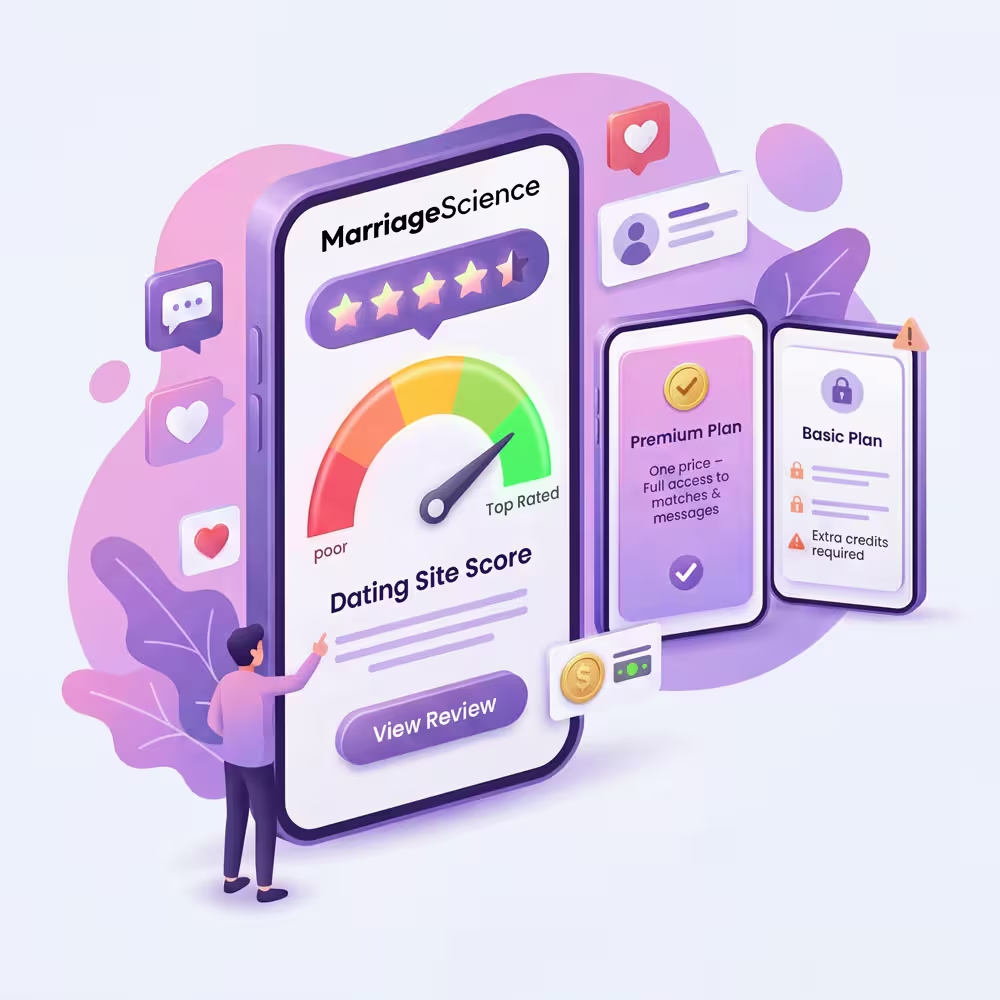
Independent Dating Site Reviews and Relationship Research

MarriageScience is an independent dating and relationship research website. We open paid accounts on the platforms we review, and our statistics come from primary datasets such as US Census microdata rather than from other people's articles. No brand pays for a place in our rankings.

Our Coverage

What We Cover

Reviewed from paid accounts, with the real cost of a subscription and what the credit systems buy.

A category almost nobody tests independently. We check the refund terms and work out who operates each service.

Guides to the rules in all 50 states, plus reviews of the online services that draft them.

Original statistics reports drawn from Census, CDC and peer-reviewed sources, each figure cited to its dataset.

Tools built on American Community Survey data for questions about marriage, divorce and dating markets.


Latest

New on MarriageScience

The five most recent reports and reviews.

Enmeshment: Meaning, Signs, and How to Break the Pattern

Enmeshment is a family pattern in which boundaries between people have gone soft. What it looks like, what the research shows, and how to break it.
how we rate dating sites

How We Review Dating Sites and Apps

Every dating site and app on MarriageScience goes through a structured, multi-step review process before we publish a single rating. We create real profiles, test matching algorithms, audit safety and privacy features, document every pricing tier and hidden upsell, and cross-reference our findings with thousands of real user reviews from app stores, Reddit, and Trustpilot.

This hands-on testing, combined with regular re-checks throughout the year, means our reviews are not just detailed – they reflect how each platform actually performs right now. When we recommend a dating site, it is because we have used it ourselves and would recommend it to a friend.

From Our Testing Desk

Our Highest-Rated Dating Sites

“I have personally tested more than fifty dating services, and no single site is best for everyone. What matters is matching the platform to what you actually want from it. We re-test our top picks through the year, so these scores reflect how each site performs right now.”

Sarah Whitemoore
Dating Expert, MarriageScience

eharmony logo
★★★★★★★★★★4.8/5
AdultFriendFinder logo
★★★★★★★★★★4.8/5
Tinder logo
★★★★★★★★★★4.6/5
CheekyCrush logo
★★★★★★★★★★3.8/5

Our Standards

Why Readers Trust MarriageScience

We rank platforms on what they did during testing. Affiliate commissions play no part in a score.

Coverage does not stop at dating apps. We also test AI companion apps, review online prenup services and couples therapy platforms, and publish original statistics reports. Every review carries the date we last checked it.

01

Paid Accounts

We buy every subscription we review. No press access, and no accounts set up for us by the operator.

02

Primary Data

Our statistics come from US Census microdata, CDC records and peer-reviewed research, cited to the dataset.

03

The Real Price

We rebuild what a platform costs per month, including the upsells that only appear once you have paid.

04

No Paid Placements

No brand can buy a ranking or a score. Some links earn us a commission, and that changes neither.

Latest Research

Our Latest Studies

Data-led reports on dating, marriage, and relationships, built from primary sources and updated as the numbers change.

Interracial Relationships Statistics (2026): 50+ Data Points on Prevalence, Pairings, and Marital Stability

17% of US newlyweds intermarried in 2015 against 10% of all married Americans, plus why there is no single interracial divorce rate.

Divorce Rate by Occupation (2026): Bartenders Divorce 4.5 Times as Often as Farmers

Bartenders have the highest divorce rate of any US occupation and farmers the lowest, from an original analysis of 3.7 million Census records.

Ghosting Statistics (2026): How Common It Is in Dating, and Why the Numbers Disagree

13% of US adults say a partner has ghosted them and academic samples reach 23%. What the research measures, and what it does not.

12 Most Common Ways Cheaters Get Caught (2026): 45+ Statistics on How Infidelity Comes Out

56.8% of cheaters confess rather than get caught. Only 21.4% are found out by a partner who investigates, and no study measures how many are never discovered at all.
romantic couple marriagescience

AI Companion Apps We Have Tested

We open paid accounts on AI girlfriend apps, check the refund terms, and work out who operates each service before we rate it.